Quick Overview
TOGAF (The Open Group Architecture Framework) is a framework for enterprise architecture - a structured approach to designing, planning, implementing, and governing enterprise information technology architecture.
For data professionals, TOGAF matters because it defines how data architecture fits within broader enterprise architecture. Understanding TOGAF helps data architects align their work with organizational strategy and speak the same language as enterprise architects.
TOGAF isn’t a rigid methodology - it’s a toolkit. Organizations adapt it to their needs, using what’s useful and leaving what isn’t.
TOGAF Components
Architecture Development Method (ADM)
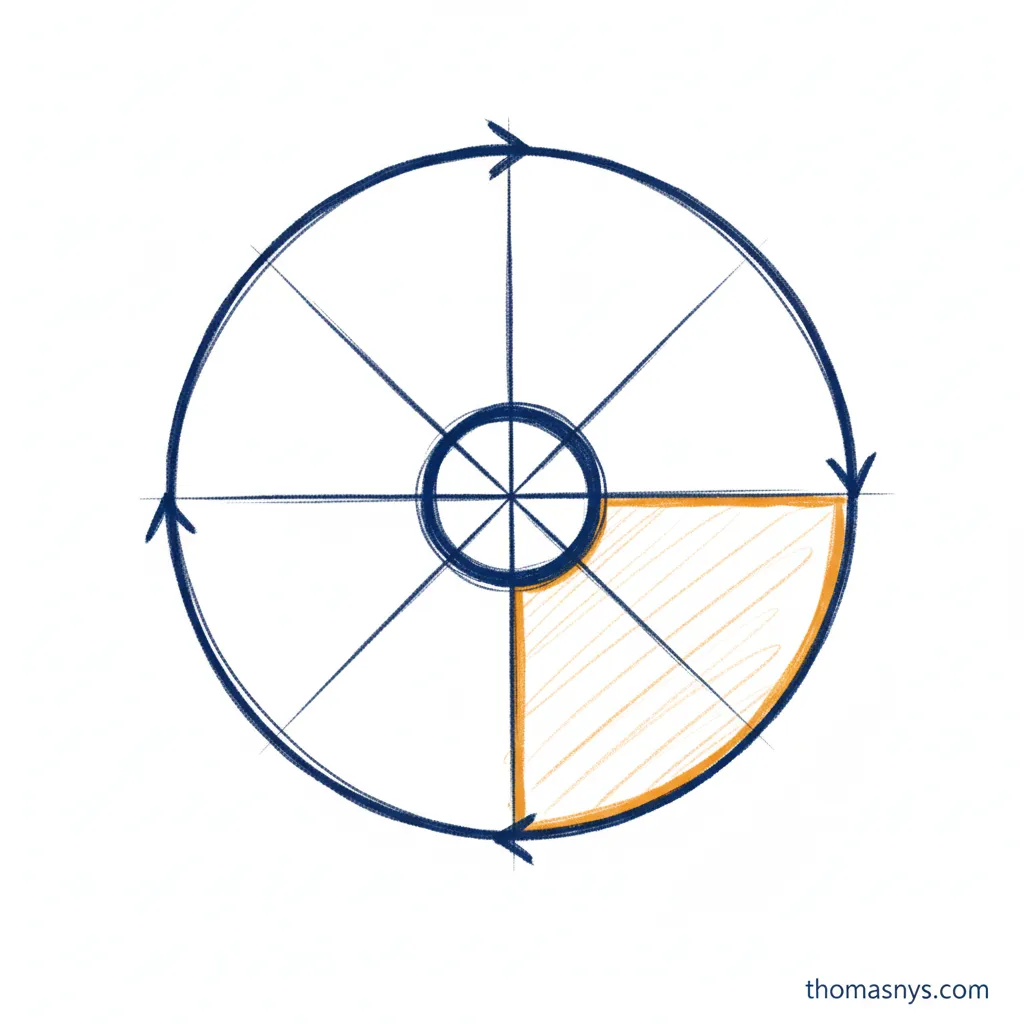
The core of TOGAF. A step-by-step process for developing enterprise architecture:
Preliminary → Vision → Business → Information Systems → Technology → Implementation
The ADM is iterative, not waterfall. Organizations cycle through phases as architecture evolves.
Enterprise Continuum
A view of all architecture assets - from generic to organization-specific. Helps architects find and reuse existing patterns rather than starting from scratch.
Architecture Repository
Where architecture artifacts are stored and managed. Includes:
- Architecture metamodel
- Reference architectures
- Standards and guidelines
- Governance documents
Architecture Capability
The resources, skills, and processes needed to do architecture work. Building architecture capability is part of TOGAF, not just doing architecture.
The ADM Phases
Preliminary Phase
Prepare for architecture work:
- Define architecture principles
- Establish governance framework
- Identify stakeholders
- Tailor the ADM to your context
Phase A: Architecture Vision
Create high-level vision:
- Understand business goals
- Define architecture scope
- Identify key stakeholders
- Get commitment and approval
Phase B: Business Architecture
Define business context:
- Business processes
- Organization structure
- Business goals and drivers
- Information requirements
Phase C: Information Systems Architectures
Design information systems:
Data Architecture:
- Data entities and relationships
- Data flow and lifecycle
- Data governance requirements
- Master data and metadata
Application Architecture:
- Application components
- Application interactions
- Integration patterns
Phase D: Technology Architecture
Define technology foundation:
- Infrastructure requirements
- Platform technologies
- Network architecture
- Security architecture
Phase E: Opportunities and Solutions
Identify implementation approach:
- Work packages
- Project portfolio
- Transition architectures
- Build vs buy decisions
Phase F: Migration Planning
Plan the transition:
- Implementation roadmap
- Dependencies and sequencing
- Resource requirements
- Risk mitigation
Phase G: Implementation Governance
Guide execution:
- Architecture compliance
- Change management
- Quality checkpoints
- Issue resolution
Phase H: Architecture Change Management
Manage evolution:
- Monitor for change drivers
- Assess change requests
- Update architecture
- Continuous improvement
Requirements Management
Central to all phases:
- Capture requirements
- Track throughout ADM
- Manage changes
- Verify satisfaction
The Four Architecture Domains
TOGAF divides enterprise architecture into four domains:
Business Architecture
The business strategy, governance, organization, and key business processes.
Stakeholders: Business executives, process owners
Data Architecture
The structure of logical and physical data assets and data management resources.
Stakeholders: Data architects, data engineers, business data owners
See Data Architect in TOGAF for how data professionals fit in.
TOGAF Data Architecture Components
Within TOGAF, Data Architecture typically addresses:
- Data entities and relationships - Conceptual, logical, and physical data models
- Data lifecycle management - Creation, storage, usage, archival, and deletion
- Data governance and ownership - Who owns data, who can access it, quality standards
- Data integration patterns - How data flows between systems and domains
- Master data management - Single sources of truth for core entities (customers, products)
- Metadata management - Data about data, including lineage and cataloging
For modern data teams, this maps to building your data platform with clear architectural boundaries and governance.
Application Architecture
Individual applications, their interactions, and relationships to business processes.
Stakeholders: Application architects, developers, product owners
Technology Architecture
The software and hardware capabilities supporting business, data, and application services.
Stakeholders: Infrastructure architects, DBAs, platform engineers
TOGAF Concepts
Building Blocks
Reusable architecture components:
Architecture Building Blocks (ABBs):
- Abstract definitions of functionality
- Technology-agnostic
- Example: “Master Data Management capability”
Solution Building Blocks (SBBs):
- Specific implementations
- Technology-specific
- Example: “Informatica MDM implementation”
Architecture Principles
Guiding rules for architecture decisions. Example:
Principle: Data is a shared asset Rationale: Siloed data reduces business value Implications: Single sources of truth, data sharing policies, appropriate access controls
Viewpoints and Views
Different perspectives on architecture:
Viewpoint: A template for creating views (e.g., data flow viewpoint) View: A representation of architecture from that perspective (e.g., customer data flow diagram)
TOGAF Certification
Levels
TOGAF Foundation (Level 1):
- Basic understanding of concepts
- Terminology and structure
- Multiple choice exam
TOGAF Certified (Level 2):
- Application of TOGAF
- Analysis and scenario-based
- Builds on Level 1
Is Certification Worth It?
Yes, if:
- Your organization uses TOGAF
- You work with enterprise architects
- Clients or employers value the credential
- You want EA career progression
Maybe not, if:
- Your organization doesn’t use formal EA
- You’re in startup/scaleup environments
- Practical skills matter more than credentials
- Time investment doesn’t fit your goals
TOGAF for Data Professionals
Why It Matters
Understanding TOGAF helps data architects:
- Speak the same language as enterprise architects
- Align data architecture with business strategy
- Participate in enterprise architecture governance
- Justify data initiatives in business terms
What to Focus On
For data architects, prioritize:
- Data Architecture domain - Your primary area
- ADM Phases A, B, C - Vision, business context, and information systems
- Building blocks - Reusable data patterns
- Principles - Guiding data decisions
- Governance - Architecture compliance
Practical Application
Even without full TOGAF adoption:
- Use baseline/target state thinking
- Document architecture principles
- Create reusable patterns
- Align with business goals
- Participate in governance
TOGAF Criticism and Limitations
Common Criticisms
Too heavyweight: Full TOGAF compliance requires significant process overhead. Many organizations find it too bureaucratic.
Waterfall assumptions: Despite claims of iteration, ADM phases can feel sequential. Agile organizations struggle to fit TOGAF into rapid delivery.
Dated: TOGAF 9.2 (current version) doesn’t fully address cloud-native, microservices, or modern data architectures.
Consultant-friendly: Critics argue TOGAF benefits consultants more than practitioners by creating work and credentials.
Pragmatic Response
TOGAF is a toolkit, not a religion:
- Adopt what helps, ignore what doesn’t
- Adapt to your organizational context
- Focus on outcomes, not compliance
- Use TOGAF concepts without full methodology
Alternatives and Complements
Zachman Framework
Classification scheme for architecture artifacts. Complements TOGAF by organizing what TOGAF produces.
FEAF (Federal Enterprise Architecture Framework)
US government framework. Similar concepts, government focus.
SABSA
Security architecture framework. Often used alongside TOGAF for security concerns.
Scaled Agile Framework (SAFe)
Enterprise agile framework. Different philosophy but can integrate with TOGAF for architecture governance.
Data-Specific Frameworks
- DAMA-DMBOK - Data management body of knowledge
- DCAM - Data management capability assessment
These complement TOGAF’s data architecture domain with deeper data-specific guidance.
Frequently Asked Questions
What is TOGAF?
What is the TOGAF ADM?
How does data architecture fit in TOGAF?
Should I get TOGAF certified?
Is TOGAF too heavyweight?
Related Reading
- Data Architect in TOGAF - How data architects work within TOGAF
- What Is a Data Architect? - The role in detail
- What Is Data Architecture? - The broader discipline
- Database Architect vs Data Architect - How roles differ
- What Is Data Governance? - Key area in TOGAF Data Architecture