What They Do
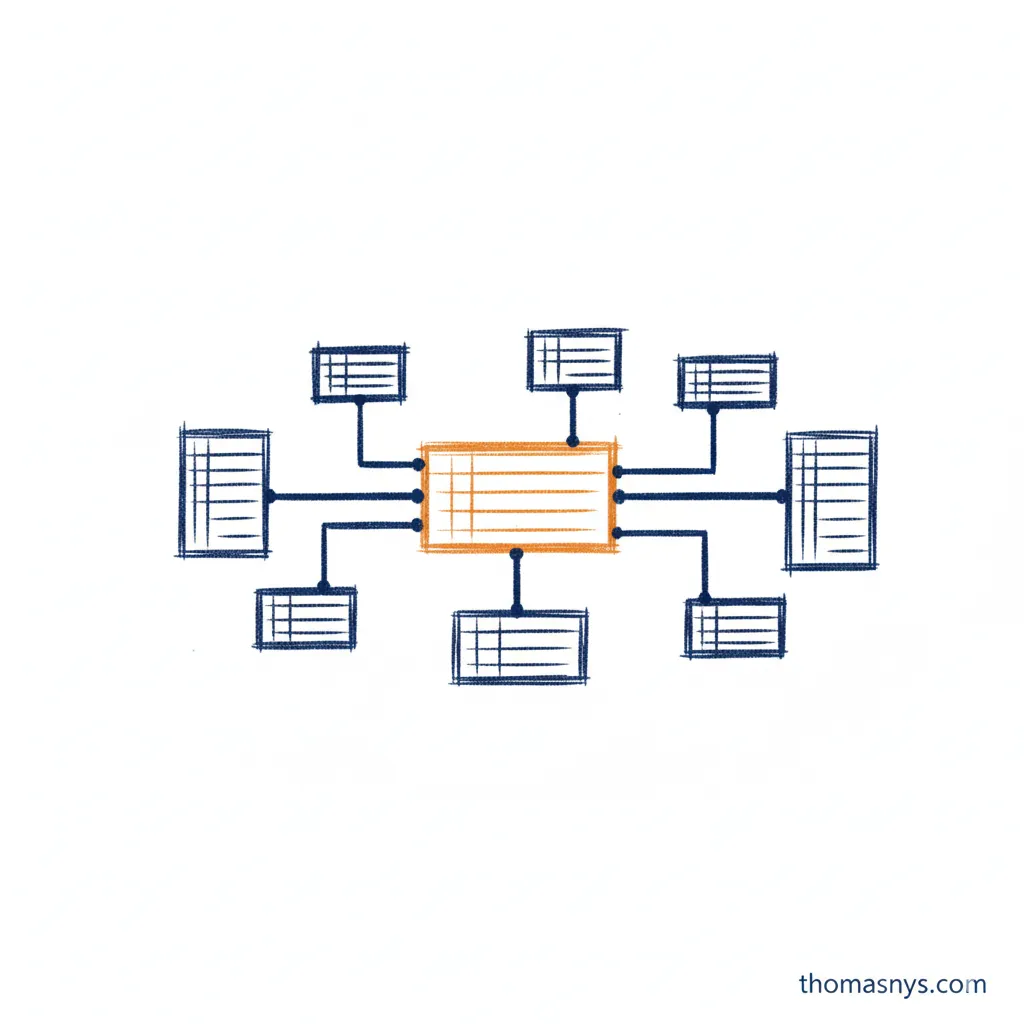
A database architect designs how databases are structured, what technology to use, and how database systems will scale and perform. They make the strategic decisions about database systems that DBAs then implement and maintain.
If you’re building a house, the database architect creates the blueprints for the foundation. The DBA makes sure the foundation stays solid over time.
Database architects work at a lower level than data architects, focusing specifically on database technology rather than organization-wide data strategy.
What a Database Architect Does
Database Design
Creating the structure:
- Schema design - Tables, columns, relationships, constraints
- Normalization decisions - Balancing data integrity with performance
- Data modeling - Logical and physical data models
- Naming conventions - Standards for consistent, understandable schemas
Good design prevents years of technical debt.
Technology Selection
Choosing the right database:
- Platform evaluation - PostgreSQL vs MySQL vs SQL Server vs Oracle
- Relational vs NoSQL - When to use document stores, key-value, graph databases
- Cloud vs on-premises - Managed services vs self-hosted
- Licensing and cost - Total cost of ownership analysis
Technology decisions are hard to reverse. Database architects make informed choices.
Performance Architecture
Designing for speed:
- Indexing strategy - What to index, what not to index
- Partitioning - Splitting large tables for performance
- Query patterns - Designing schemas for how data will be accessed
- Caching layers - When to add caching in front of databases
Performance is designed in, not bolted on after.
Scalability Planning
Designing for growth:
- Horizontal vs vertical scaling - When to scale out vs scale up
- Replication architecture - Read replicas, multi-region setups
- Sharding strategy - Distributing data across multiple databases
- Capacity modeling - Predicting future requirements
What works at 100GB fails at 10TB without planning.
Security Architecture
Protecting data by design:
- Access patterns - How applications and users will interact
- Encryption requirements - At rest, in transit, column-level
- Compliance needs - GDPR, HIPAA, PCI-DSS requirements built into design
- Audit requirements - What needs to be logged and retained
Security architecture is easier at design time than retrofit.
Database Architect vs Related Roles
Database Architect vs DBA
| Database Architect | DBA |
|---|---|
| Designs database systems | Operates database systems |
| Strategic, long-term focus | Tactical, day-to-day focus |
| Makes technology decisions | Implements technology decisions |
| Defines standards | Follows standards |
| Project-based work | Ongoing operational work |
Database architects hand off to DBAs who maintain what was built.
Database Architect vs Data Architect
| Database Architect | Data Architect |
|---|---|
| Database technology focus | Organization-wide data focus |
| Technical implementation | Business and technical strategy |
| Single database or platform | Cross-system data flow |
| Schema and performance | Data governance and integration |
Data architects think about how data flows across the entire organization. Database architects go deep on specific database technology.
Database Architect vs Data Modeler
| Database Architect | Data Modeler |
|---|---|
| Full system architecture | Schema design focus |
| Technology selection | Technology-agnostic modeling |
| Performance and scalability | Logical relationships |
| Broader technical scope | Narrower design scope |
Data modelers focus on the logical model. Database architects cover the full technical implementation.
Database Architect Job Description
A typical database architect job description includes the following responsibilities:
- Design and maintain database schemas, data models, and database architecture
- Evaluate and select database platforms (relational, NoSQL, cloud-managed)
- Define indexing strategies, partitioning schemes, and query optimization approaches
- Plan for scalability, replication, and disaster recovery
- Establish security policies including encryption, access control, and audit logging
- Collaborate with data engineers, DBAs, and application developers
- Document architecture decisions and maintain standards
Typical requirements: 8-15+ years of experience, deep expertise in at least one major database platform, strong data modeling skills, and the ability to communicate trade-offs to both technical and business stakeholders.
For more on how this role compares to the broader data architecture function, see data architect and database architect vs data architect.
Skills Required
Technical Skills
Must have:
- Deep expertise in one or more database platforms
- Advanced SQL and query optimization
- Data modeling (conceptual, logical, physical)
- Performance tuning principles
- Security and encryption knowledge
Nice to have:
- Multiple database platform experience
- Cloud database architecture
- NoSQL database knowledge
- Infrastructure and networking fundamentals
Architecture Skills
- Trade-off analysis
- Documentation and communication
- Long-term thinking
- Understanding business requirements
- Vendor evaluation
Common Certifications
- Oracle Certified Master
- Microsoft Certified: Azure Database Administrator/Solutions Architect
- AWS Database Specialty
- PostgreSQL certification (various providers)
Certifications matter more for database architects than some other data roles.
When You Need a Database Architect
You probably don’t need one if:
- Using simple, standard database setups
- Cloud managed services handle your needs
- Database decisions aren’t complex enough to require specialization
- Data volumes are modest
You probably do need one if:
- Building new systems with significant database complexity
- Migrating between database platforms
- Scaling to handle significant growth
- Performance is critical and current design isn’t working
- Making major technology decisions
- Regulatory requirements demand careful design
Project-Based Engagement
Database architecture is often needed for:
- New system design
- Major migrations
- Performance redesign
- Technology evaluation
Many companies bring in database architects for specific projects rather than full-time roles.
Database Architecture in Practice
The Design Process
- Requirements gathering - Understand data volumes, access patterns, performance needs
- Logical modeling - Design the conceptual data structure
- Technology selection - Choose the right database platform
- Physical design - Create the actual schema, indexes, partitions
- Performance validation - Test with realistic workloads
- Documentation - Record decisions and rationale
- Handoff - Transfer to DBAs and development teams
Architecture Decisions
Key decisions database architects make:
- SQL vs NoSQL - Based on data structure and access patterns
- Single vs distributed - Based on scale and availability requirements
- Normalized vs denormalized - Based on read/write patterns
- Managed vs self-hosted - Based on operational capability and cost
- Replication topology - Based on availability and consistency needs
Each decision has trade-offs. The architect’s job is to make informed choices.
Database Architecture Patterns
Master-Replica
One primary database, multiple read replicas:
Writes → Primary → Replicas → Reads
Good for read-heavy workloads with moderate write volume.
Multi-Primary
Multiple databases accepting writes:
Writes → Primary A ↔ Primary B ← Writes
Good for geographic distribution, harder to manage.
Sharding
Data distributed across multiple databases:
Data → Shard Key → Shard 1 / Shard 2 / Shard 3
Good for massive scale, adds application complexity.
CQRS (Command Query Responsibility Segregation)
Separate databases for reads and writes:
Writes → Write DB → Sync → Read DB → Reads
Good for different read/write requirements, adds complexity.
Frequently Asked Questions
What is a database architect?
What is the difference between a database architect and a DBA?
What is the difference between a database architect and a data architect?
What skills does a database architect need?
When does a company need a database architect?
Related Reading
- What Is a DBA? - The role that maintains what architects design
- Database Architect vs Data Architect - Understanding the difference
- What Is a Data Architect? - Organization-wide data design
- What Is Data Architecture? - The broader architectural context
- What Is a Data Platform? - The system databases fit into